For Physical Therapists and Other Clinicians
This essential text draws upon the history of mechanical disorders to provide physical therapists and other clinicians with techniques to successfully treat extremity musculoskeletal conditions through mechanical means.
Clinicians empowered with information help patients become involved in managing their own return to health. Rarely discussed concepts are presented in straightforward language and are supported by over 107 photographs, illustrations and diagrams.
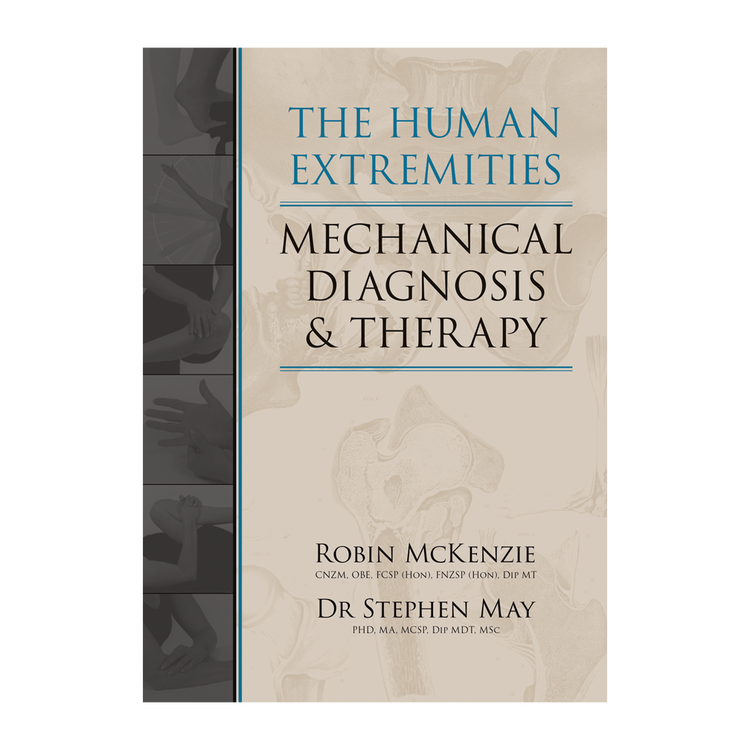
Includes Techniques to Successfully Treat Extremity Musculoskeletal Conditions Through Mechanical Means.
Chapters in The Human Extremities: Mechanical Diagnosis & Therapy include:
- Musculoskeletal Problems
- Soft Tissue Properties
- Pain
- Mechanical Diagnosis
- History
- Physical Examination
- Assessment of Symptomatic and Mechanical Presentations and Responses
- Patient Management
- Management and Self-Treatment
- Common Disorders
- Clinical Reasoning
Learn techniques to successfully treat extremity musculoskeletal conditions through mechanical means.
About the Author
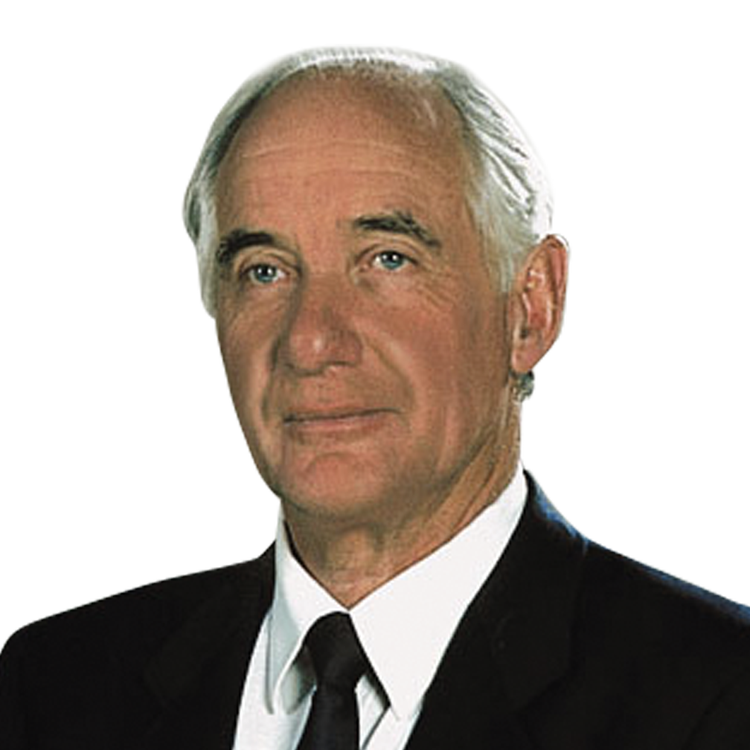
Robin McKenzie, CNZM, OBE, FCSP (Hon), FNZSP (Hon), Dip MDT, Dip MT
.
.
McKenzie Method® Books and Supports
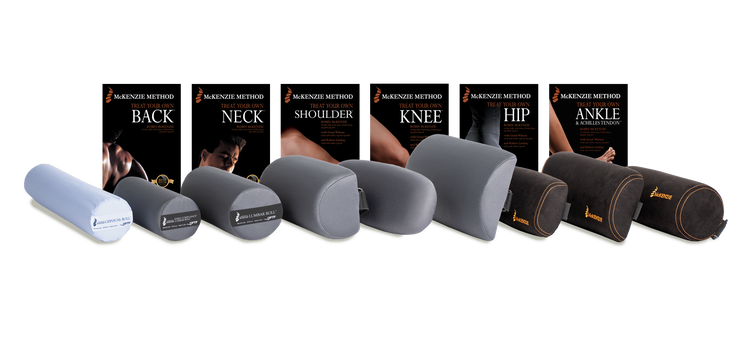
Robin McKenzie created the world's first lumbar roll in 1968. The Original McKenzie® line now includes lumbar and cervical supports for people of all sizes and preferences. His series of Treat Your Own books has grown to address mechanical pain throughout the body.
From the Back Cover
The ability to treat musculoskeletal disorders affecting the soft tissues and joints of the body is a relatively modern concept. In the past, pain, stiffness and injury were simply tolerated until the body adapted or broke down completely. Repetitive Strain Injury, ‘housemaid’s knee’, tennis elbow and generally physical dysfunction were accepted as part of life’s ageing process. However, improved social structure and treatment for these conditions mean that people expect to be able to regain good health, and want instant remedies for their pain.
Numerous health care providers ― family physicians, physiotherapists, chiropractors, acupuncturists, naturopaths and osteopaths, among others ― treat the painful symptoms of musculoskeletal conditions. These practitioners are sometimes loath to admit defeat when the patient does not respond to traditional treatment. Patients put their clinician in charge of curing their conditions and expect them to “do something”. Often the patient is the first to give up, resigned to the belief that they cannot regain their physical health.
The authors draw upon current published scientific evidence which overwhelmingly identifies controlled movement and exercise as the most effective means of alleviating pain and restoring function in patients with common musculoskeletal disorders. This latest text by Robin McKenzie and co-author Stephen May, allows the clinician to provide the same self-treatment philosophy and management strategies first described in McKenzie’s text The Lumbar Spine, Mechanical Diagnosis and Therapy. These rarely discussed concepts are presented in straightforward language and are supported with over 100 photographs and illustrations.
Other books by Robin McKenzie include Treat Your Own Back, Treat Your Own Neck, The Lumbar Spine: Mechanical Diagnosis and Therapy, and The Cervical and Thoracic Spine: Mechanical Diagnosis and Therapy.
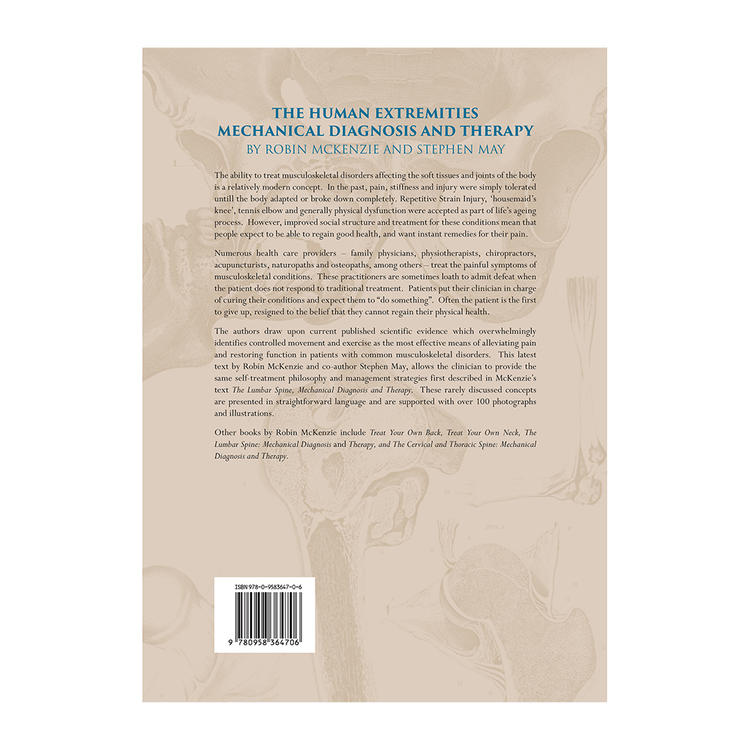
The back cover of The Human Extremities: Mechanical Diagnosis & Therapy.