The Neurodynamic Techniques DVD and Handbook
The Neurodynamic Techniques DVD and Handbook aids with the assessment and management of physical health and sensitivity issues related to peripheral and central nervous system (CNS) based pain presentations.
Using virtual body exercises encourages pain sufferers to recreate a positive perspective to their movement. Imagining the body moving well can retrain the brain and set the pace back into healthy movement.
Best used in conjunction with other David Butler books, including The Sensitive Nervous System.
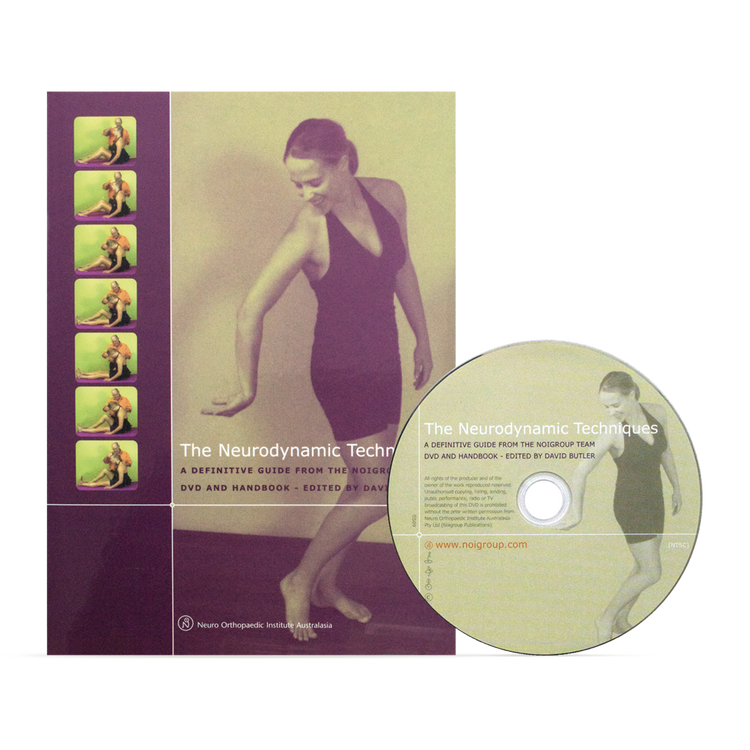
Includes Handbook and DVD
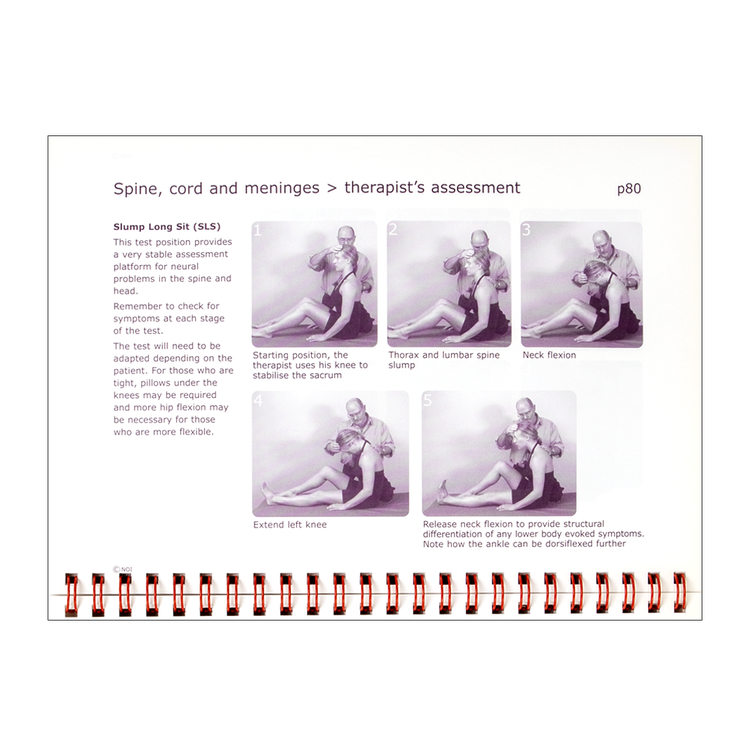
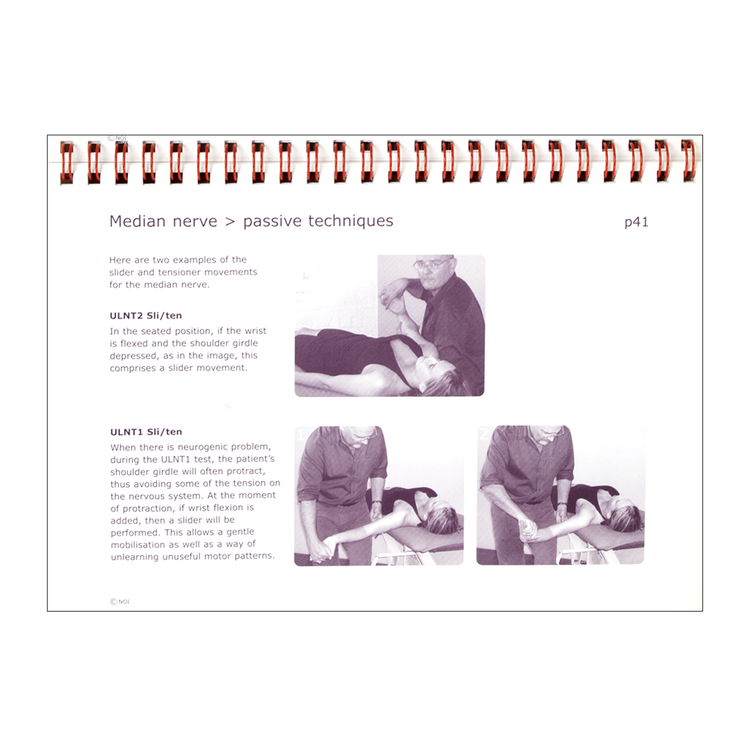
Includes step-by-step instructions and photos
This 110-page, spiral-bound book includes step-by-step instructions and photos detailing how to perform each technique. DVD run-time is approximately 70 minutes.
About the Author
David Butler, EdD, MPhty, BPhty, MAPA (Hon)
Dr. David Butler is a physiotherapist, an educationalist, a researcher and a clinician. He serves as an adjunct associate professor at the University of South Australia and his current focus is on adult conceptual change, diagnostic and therapeutic metaphors and pain storytelling.

From the Back Cover
The international Noigroup faculty comes together to present the definitive manual of neurodynamics techniques for everyday use in the clinic.
This book and accompanying DVD will help to deal with physical health and sensitivity issues related to all peripheral and central nervous system based pain presentations.
Virtual body exercises are designed to encourage pain sufferers to re-create a positive perspective to their movement – what better way to retrain the brain than to imagine your body moving well, then pace yourself back into healthy movement?