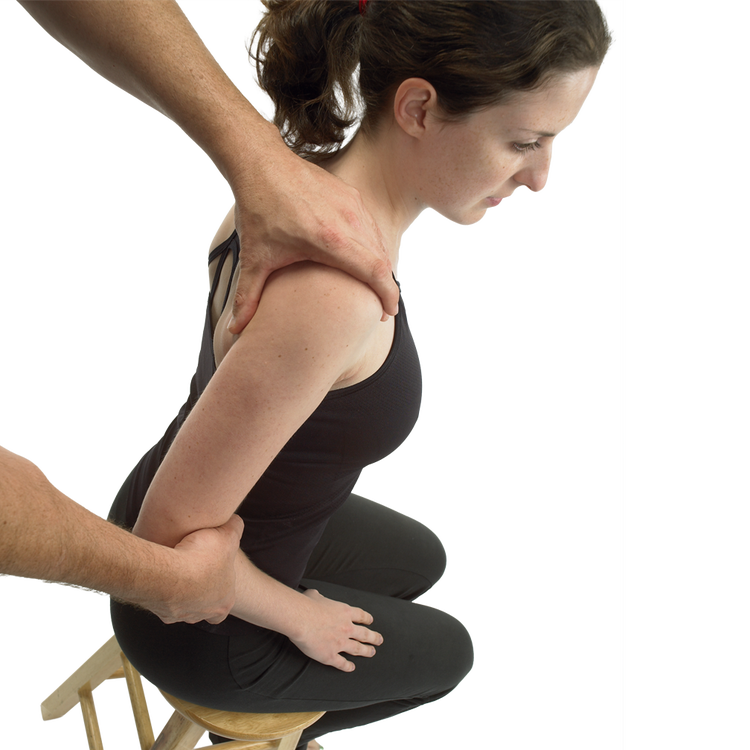
NAGs, SNAGs, MWMs, etc.
The revised 7th edition of this manual therapy book includes all elements of the Mulligan Concept, along with information about upper cervical traction, C1-C2 rotation SNAGs for headaches, AP tibial MWM for knee flexion, comments on rescue maneuvers for headaches, SCJ MWM, CMC taping, first toe taping, upper rib mobilization into extension, and more.
This Mulligan Concept book was written by one of the world's foremost experts on manual therapy, Brian Mulligan, FNZSP (Hon), Dip MT, ONZM.
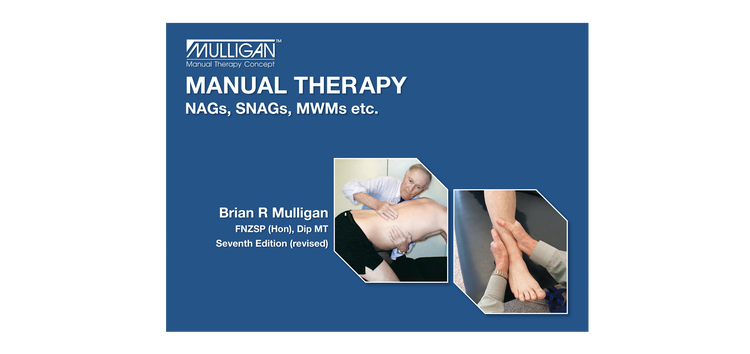
Mulligan Concept Manual Therapy Techniques
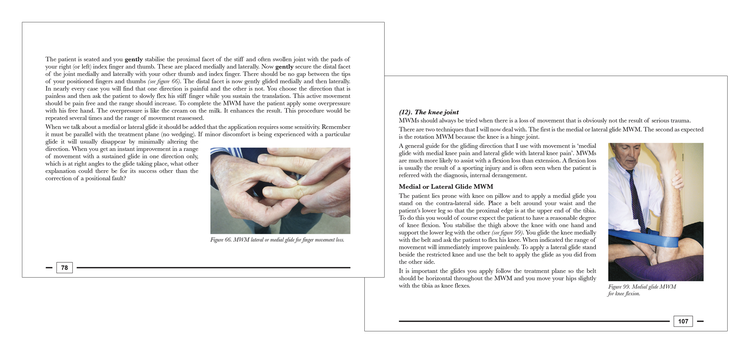
Color photographs and step-by-step instructions
Techniques and concepts highlighted in the book are supplemented by color photographs and clear step-by-step instructions.
About the Author
Brian Mulligan, FNZSP (Hon), Dip. MT, ONZM
Brian Mulligan originated and developed the concept of combining accessory mobilizations with physiological movements in the extremities (MWMS). In the spine, he promotes the use of natural apophyseal glides (NAGS) and sustained natural apophyseal glides (SNAGS). He received the prestigious International Service to The Profession Award from the WCPT and has been an international lecturer in manual therapy since 1972.

From the Inside Flap
A note from author Brian Mulligan
This book was written with one purpose in mind and that was to acquaint the reader with my concepts. The contents could have included some details of pertinent anatomy and biomechanics, but this background material is well known to physiotherapists and there are ever so many texts available. My most valuable self-learning and teaching tools have been my articulated plastic spine and the articulated bones of the upper and lower extremities. These being flexible and accurate in detail, makes it simple for me to show and explain the patients what I propose to do. This is especially true for NAGs, SNAGs and MWMs. What our concepts have to offer in the musculoskeletal field are unique and when mastered invaluable. I want them to be available to all patients needing manual therapy, as when indicated and used, both the patient and the therapist are happy.