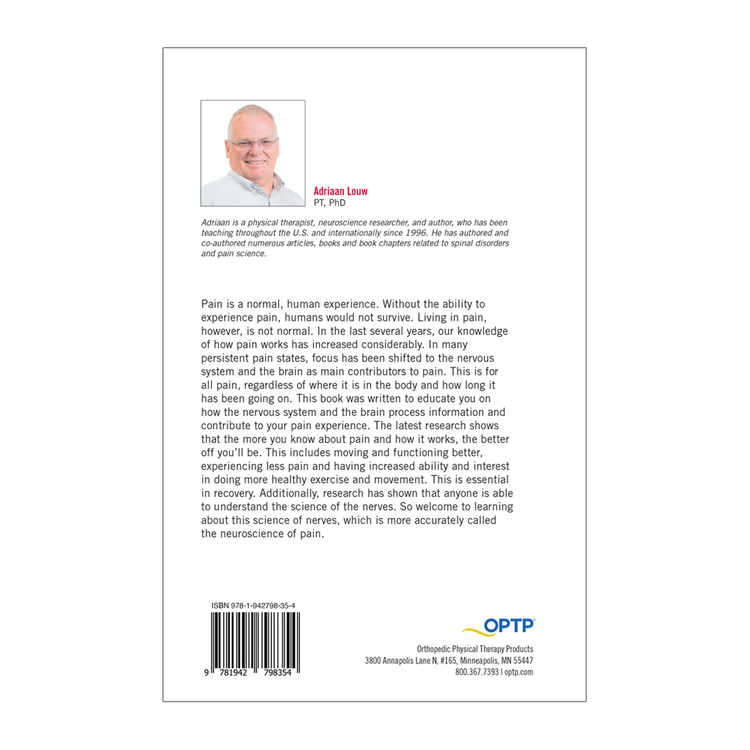
Written by a Pain Neuroscience Expert
The latest research shows that the more you know about pain and how it works, the better off you’ll be. Written by Adriaan Louw, a pain neuroscience expert and author of a comprehensive series of neuroscience books, this guide teaches the neuroscience of pain in easy-to-understand language and provides simple strategies to move and function better, experience less pain, and increase your ability and interest in participating in healthy exercises and movement.
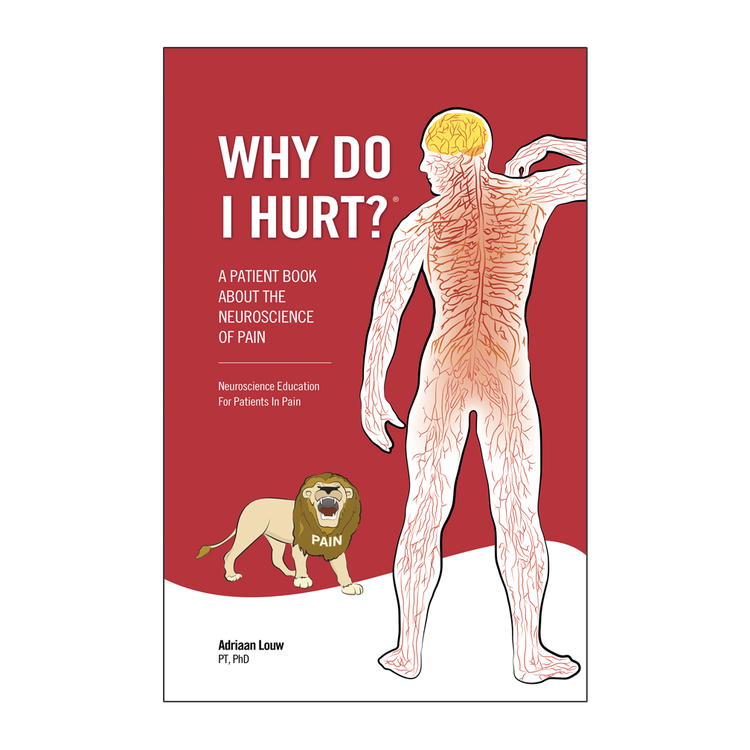
Understand the Science of Pain
In Why Do I Hurt? A Patient Book About The Neuroscience Of Pain you’ll learn:
- The role of the nervous system and the brain in the experience of pain
- How nerves work like an “alarm system” to alert your brain that there is a problem
- Common contributors to pain
- How pain in one area of the body affects other parts of the body
- How your body systems react to protect you
- How prolonged pain can cause symptoms like mood swings, appetite changes, fatigue, stomach sensitivity and more
- How to treat pain and take back your life
- Strategies for healthy exercise and how it can help reduce pain
- Lifestyle changes that can help treat pain including knowledge, breathing and relaxation, aerobic exercise, sleep and more
- How to set realistic goals and safely and effectively move towards them
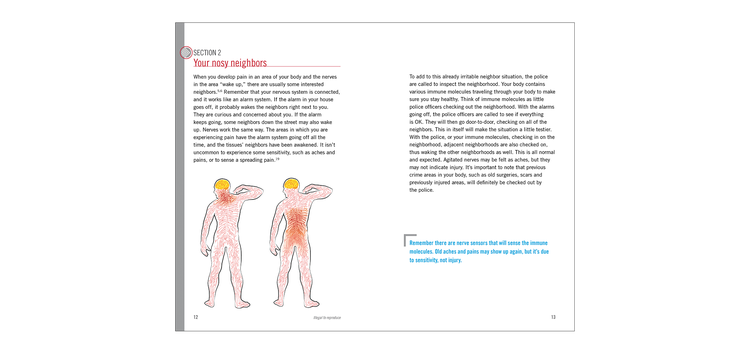
Educational Guide with Visual Tools
Why Do I Hurt? is designed to provide:
- A clear, concise, and accessible way of looking at the science of pain
- Resources for patients
- A better understanding of how chronic pain can impact you
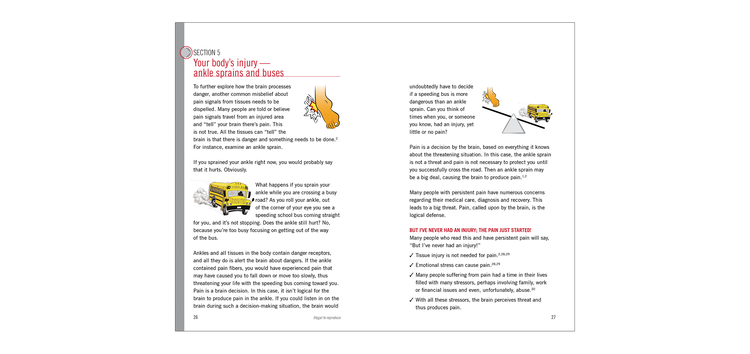
About the Author
Adriaan Louw, PT, PhD: Renowned Author and Pain Researcher
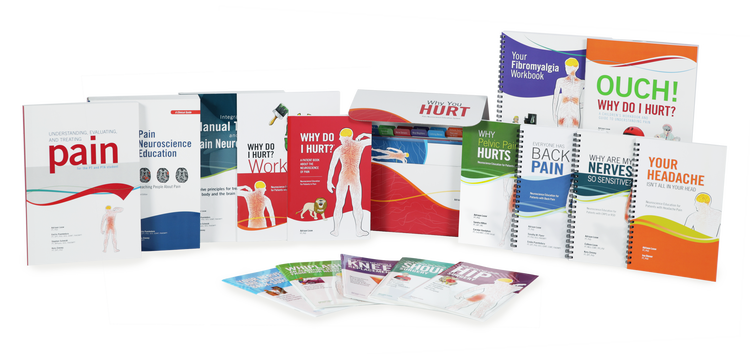

The Why You Hurt Series
Adriaan Louw has created a series of tools that work together seamlessly, whether you’re a clinician who wants to understand pain education and how to teach your patients, or someone with chronic pain who is looking for help.
From the Back Cover
Pain is a normal, human experience. Without the ability to experience pain, humans would not survive. Living in pain, however, is not normal.
In the last several years, our knowledge of how pain works has increased considerably. In many persistent pain states, focus has been shifted to the nervous system and the brain as main contributors to pain. This is for all pain, regardless of where it is in the body and how long it has been going on.
This book was written to educate you on how the nervous system and the brain process information and contribute to your pain experience. The latest research shows that the more you know about pain and how it works, the better off you'll be. This includes moving and functioning better, experiencing less pain and having increased ability and interest in doing more healthy exercise and movement. This is essential in recovery.
Additionally, research has shown that anyone is able to understand the science of the nerves. So welcome to learning about this science of nerves, which is more accurately called the neuroscience of pain.