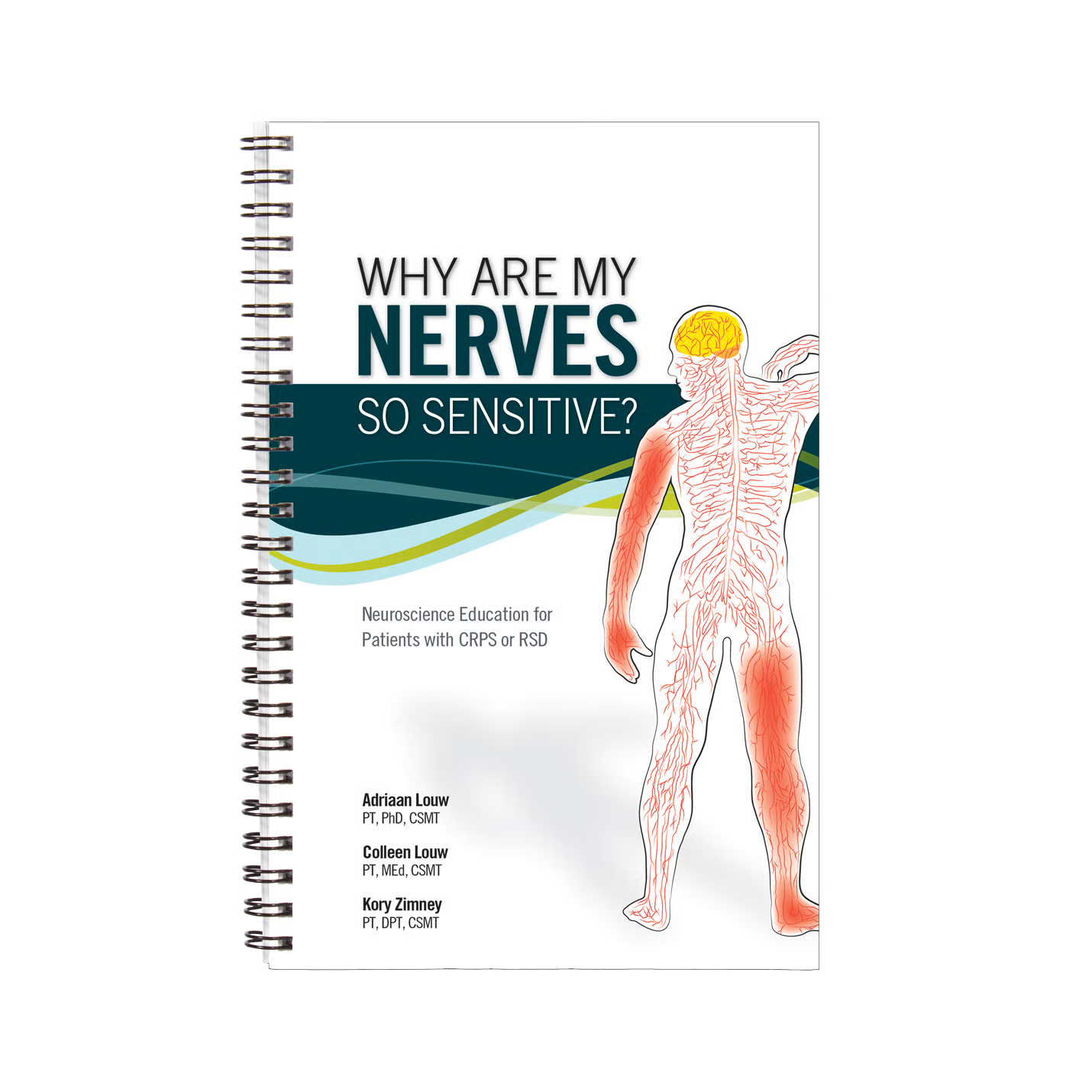
Why Are My Nerves So Sensitive?
Price
About the Book
- Written for patients with Complex Regional Pain Syndrome (CRPS) or Reflex Sympathetic Disorder (RSD)
- Provides information about the science of pain, based on the latest research, and in a format accessible to all
- Details how chronic pain is commonly due to an extra-sensitive nervous system and how the brain processes information from the nerves
- An easy-to-understand format using metaphors, examples and color images
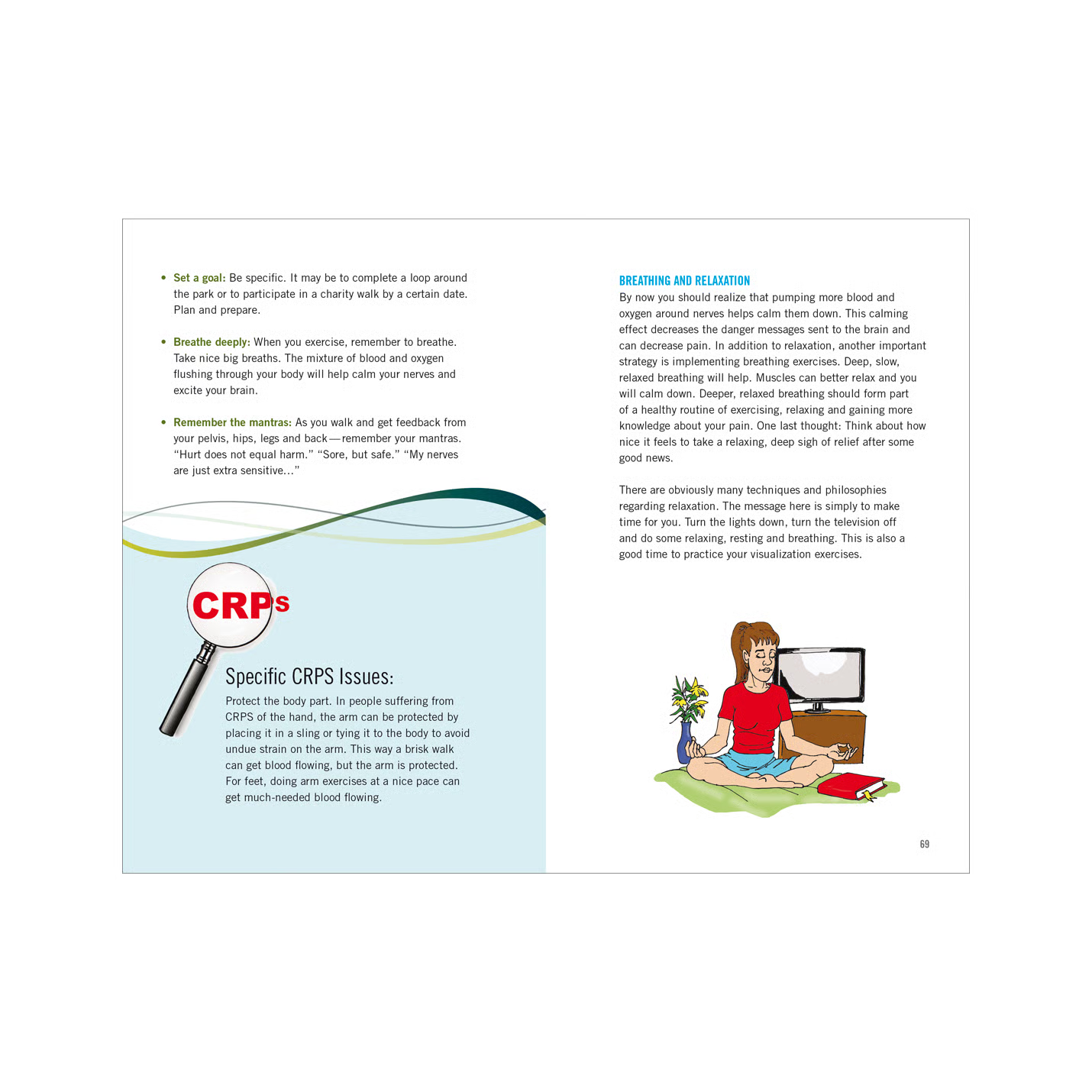
- Details a series of mental exercises that will prepare you for physical movement of painful body parts
Author(s)
- Adriaan Louw, PT, PhD
- Colleen Louw, PT, MEd, CSMT, TPS, PSF
- Kory Zimney, PT, DPT, PhD
Publication Details
- ISBN-13: 978-0-9904230-4-1
- Publication Date: 2014
- Publisher: OPTP®
- Pages: 84
- Type: Softcover; spiral-bound
- Illustrated: Yes
- Dimensions: 8½”L x 5½”W
A Handbook for Patients with CRPS or RSD
Learn about the Neuroscience of Pain and Graded Motor Imagery to Help Desensitize the Tissues
The suffering of Complex Regional Pain Syndrome (CRPS), formerly Reflex Sympathetic Dystrophy (RSD), is very real. However, all pain is produced by your nervous system and brain, and knowing this is the key to your recovery. Since movement creates pain, you must first desensitize your tissues through knowledge, understanding, stress reduction and simple graded motor imagery techniques. Simply put, the more you know about pain, the better off you'll be.
This patient book, written in easily digestible language, explains how pain works and details a series of mental exercises, techniques and strategies that will prepare you for physical movement of painful body parts.
Written by clinical neuroscience experts with dozens of years of combined experience researching and working with pain patients, this book is written in an easy-to-read format with illustrations for better understanding.
Desensitize the Tissues Using Graded Motor Imagery
Adriaan Louw’s handbook for patients with Complex Regional Pain Syndrome (CRPS) or Reflex Sympathetic Disorder (RSD) teaches the neuroscience of pain and guides the patient through graded motor imagery to desensitize their tissues.
In Why Are My Nerves So Sensitive you’ll learn about:
- Sensitivity, Complex Regional Pain Syndrome (CRPS) and Reflex Sympathetic Dystrophy (RSD)
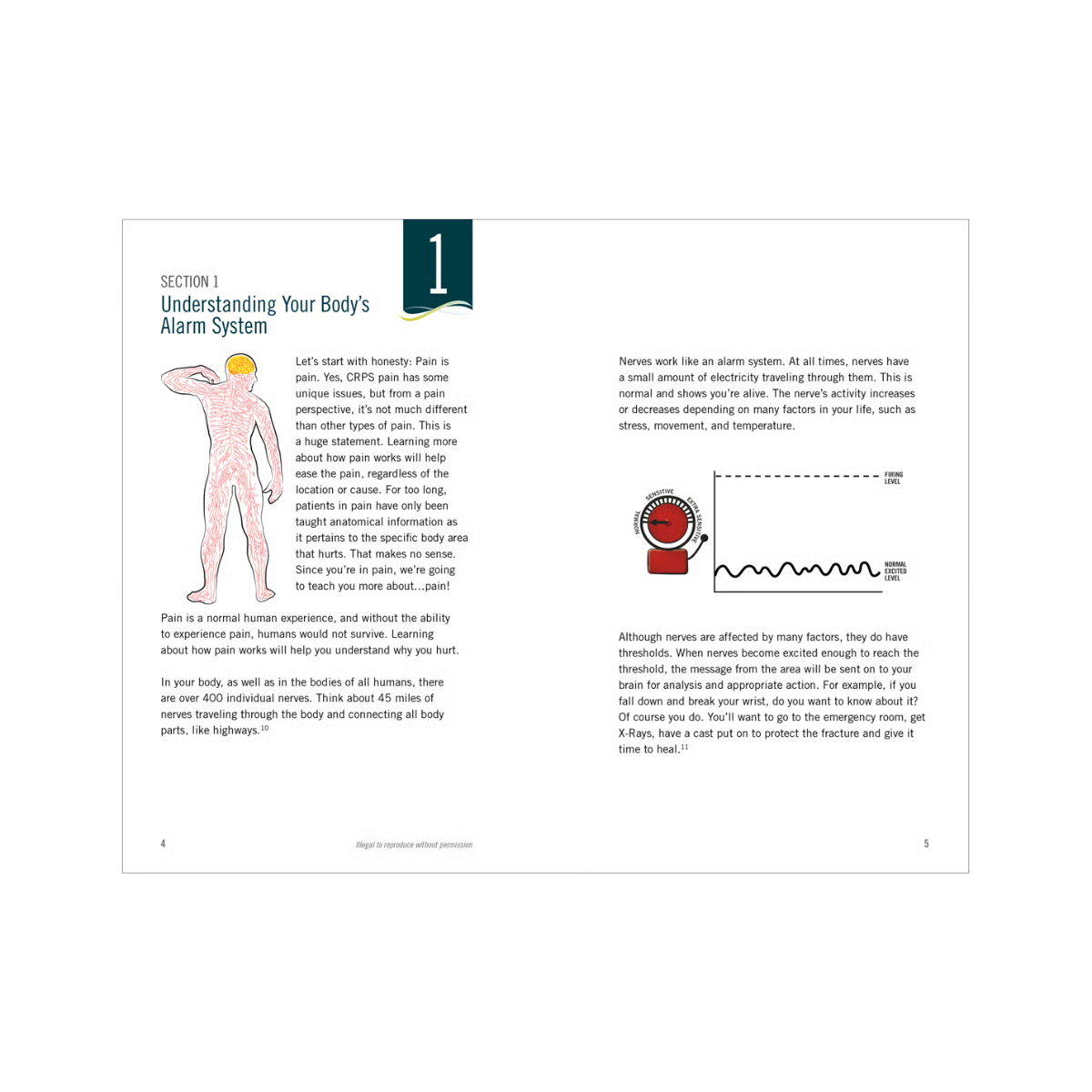
- The role of the nervous system and the brain in the experience of pain
- How nerves work like an “alarm system” to alert your brain that there is a problem
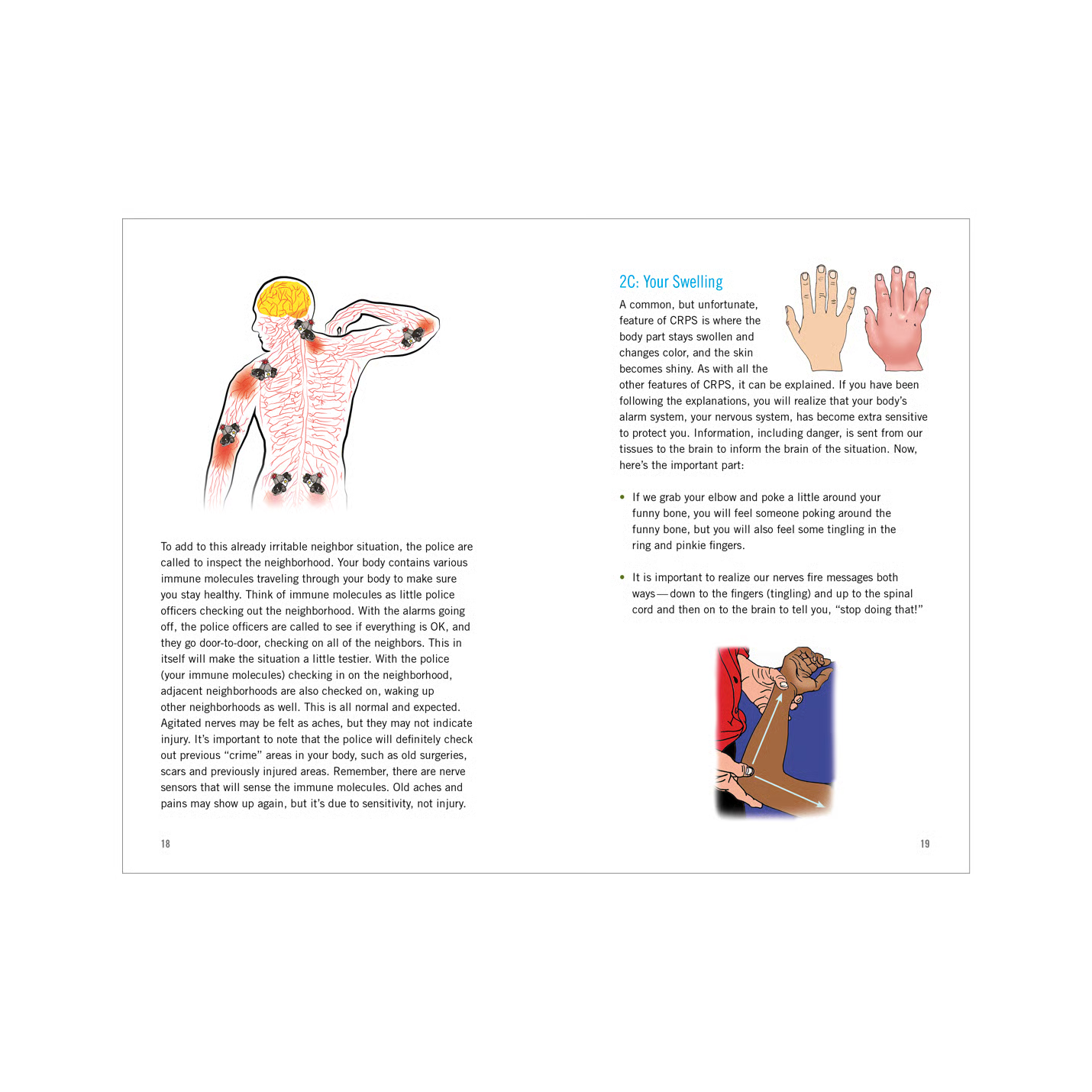
- How pain in one area of the body affects other parts of the body
- How to turn your alarm system (nervous system) down to treat pain
- What your brain’s body maps are and how they work
- How to restore body maps
- Simple, effective treatment strategies that can help you start feeling better fast
Studies show that the more you know about pain and how it works, the better off you’ll be. Written in an easy-to-read format with illustrations for better understanding, this guide can help those seeking RSD or CRPS pain relief.
About the Authors
Adriaan Louw, PT, PhD: Renowned Author and Pain Researcher
Adriaan has taught throughout the US and internationally for 20 years at numerous national and international manual therapy, pain science and medical conferences. He is a Certified Spinal Manual Therapist, Therapeutic Pain Specialist and has authored and co-authored over 50 peer-reviewed articles, books and book chapters related to spinal disorders and pain science. He is the Director of the Therapeutic Neuroscience Research Group – an independent collaborative initiative studying pain neuroscience and is the Program Director of the Therapeutic Pain Specialist and Pain Science Fellowship post-graduate program for Evidence in Motion.
The Why You Hurt Series
Adriaan Louw has created a series of tools that work together seamlessly, whether you’re a clinician who wants to understand pain education and how to teach your patients, or someone with chronic pain who is looking for help.
Colleen Louw, PT, MEd, PhD
Colleen is a physical therapist who has practiced for over 25 years. For the past 20+ years, she has been a post-graduate educational instructor in manual therapy and is currently a pain science instructor for Evidence in Motion (EIM), as well as the Program Director for the Therapeutic Pain Specialist Certification for EIM.
Kory Zimney, PT, DPT
Kory has been a physical therapist for more than 25 years, working primarily in orthopedics. He is currently director of the PhD in Health Sciences program and an associate professor in the Health Science Physical Therapy Department at the University of South Dakota where he is part of several groups that conduct research on pain neuroscience education and therapeutic alliance.
From the Back Cover
It’s like alphabet soup; CRPS (Complex Regional Pain Syndrome) used to be called RSD (Reflex Sympathetic Dystrophy). Do you have CRPS? Or is it RSD? It doesn’t really matter; the real problem is the P-A-I-N. Your body’s alarm system, the nervous system, has become extra sensitive to protect you against pain, sensitivity, swelling, body parts changing color and temperature, spreading pain and more. Unfortunately, the tests and treatments that are meant to ease your suffering often fall short.
There’s good news. We now know that the source of chronic pain, such as CRPS, is more likely the nervous system and brain―not injured tissues. So, treatment for CRPS must start there: understanding how the brain and nervous system produce pain. Research shows that the more you know about pain, the better off you’ll be.
This book was written to teach you the truth about CRPS: what it is, how it works, and how you can find relief. With CRPS, you can’t just treat the tissues―you need to treat the whole person. That treatment begins here, learning about the science of the nerves.