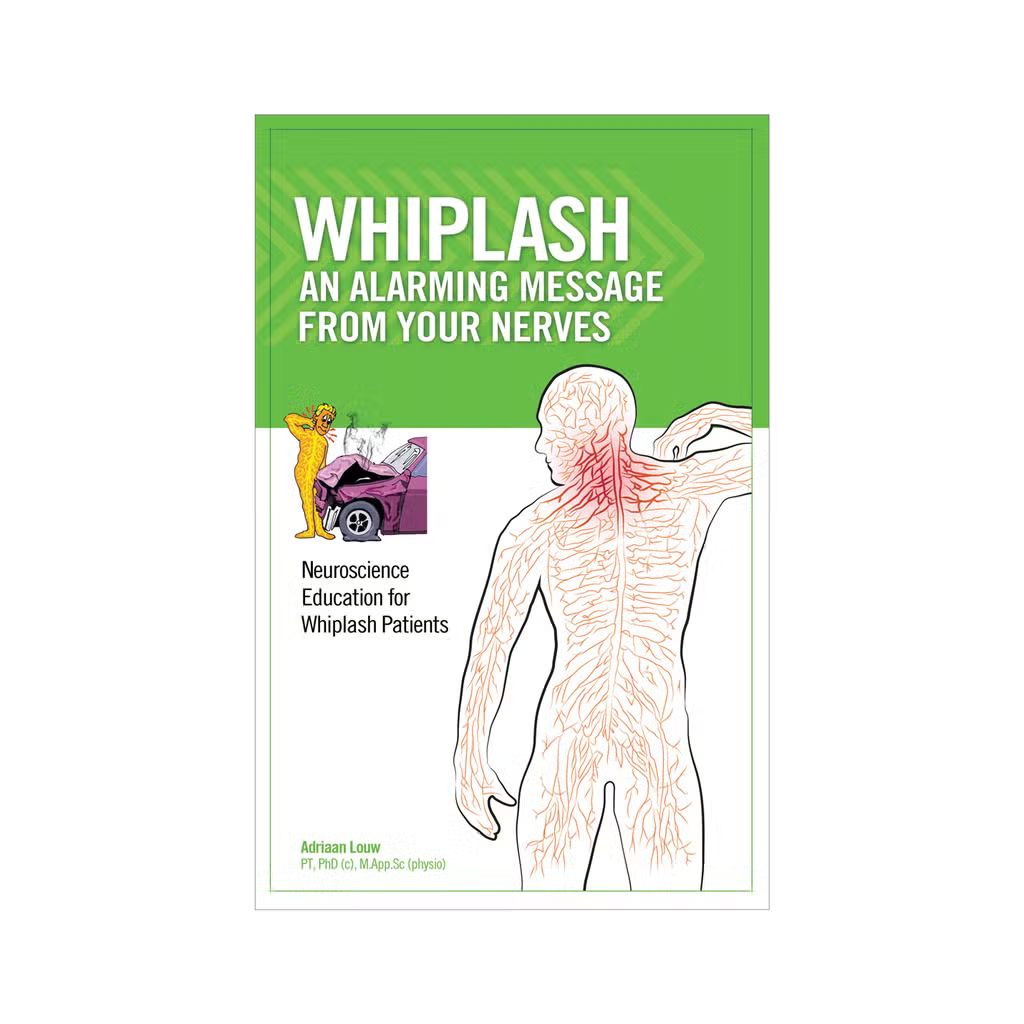
Whiplash: An Alarming Message from Your Nerves
Price
-
Pack Quantity
option id packqty required false
About the Book
This book offers:
- Information about the nerve sensitization that occurs following a whiplash injury
- A greater understanding of what has happened, how to ease the pain and the importance of early, gentle movement after an injury
- Details about the nervous system “wakening” in the acute and sub-acute phases of whiplash
- An easy-to-understand format using metaphors, examples and color images
Section topics include:
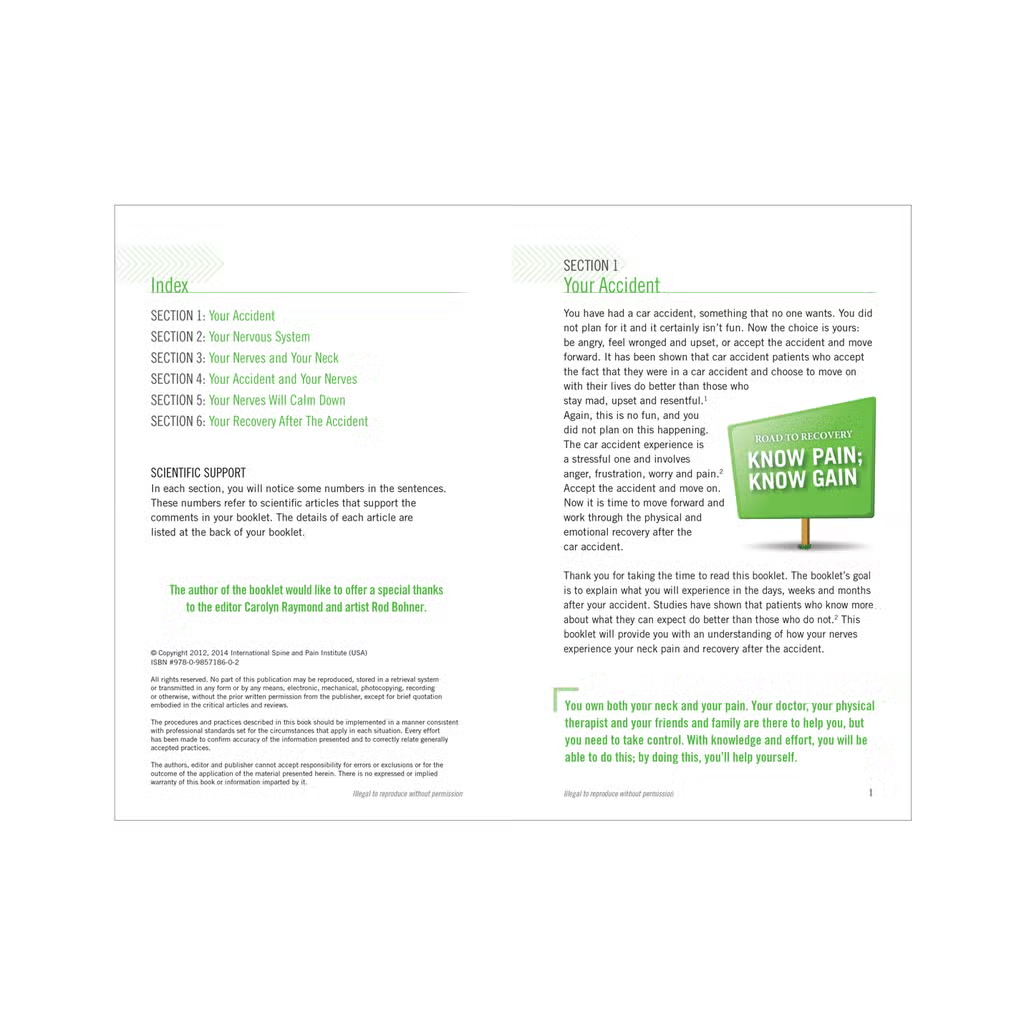
- Accepting the accident
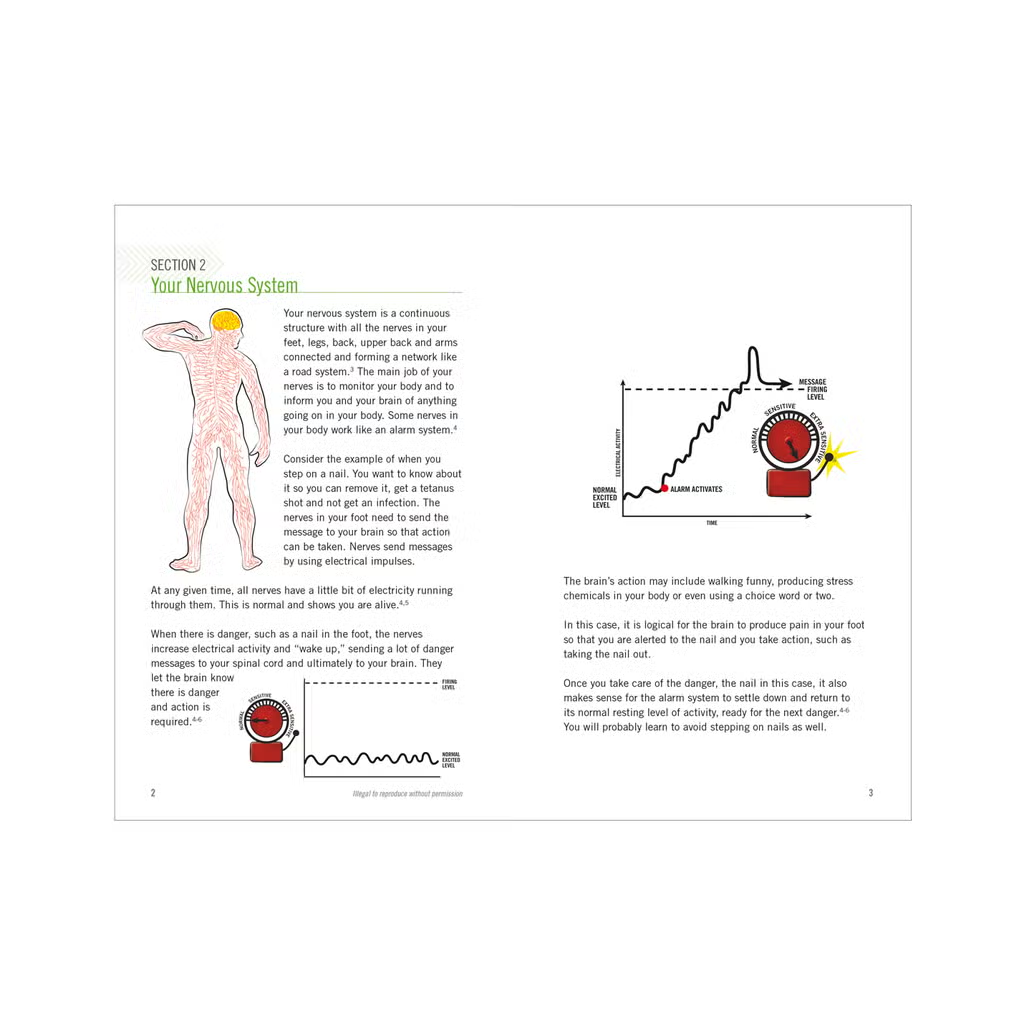
- How nerves work
- How nerves become sensitive
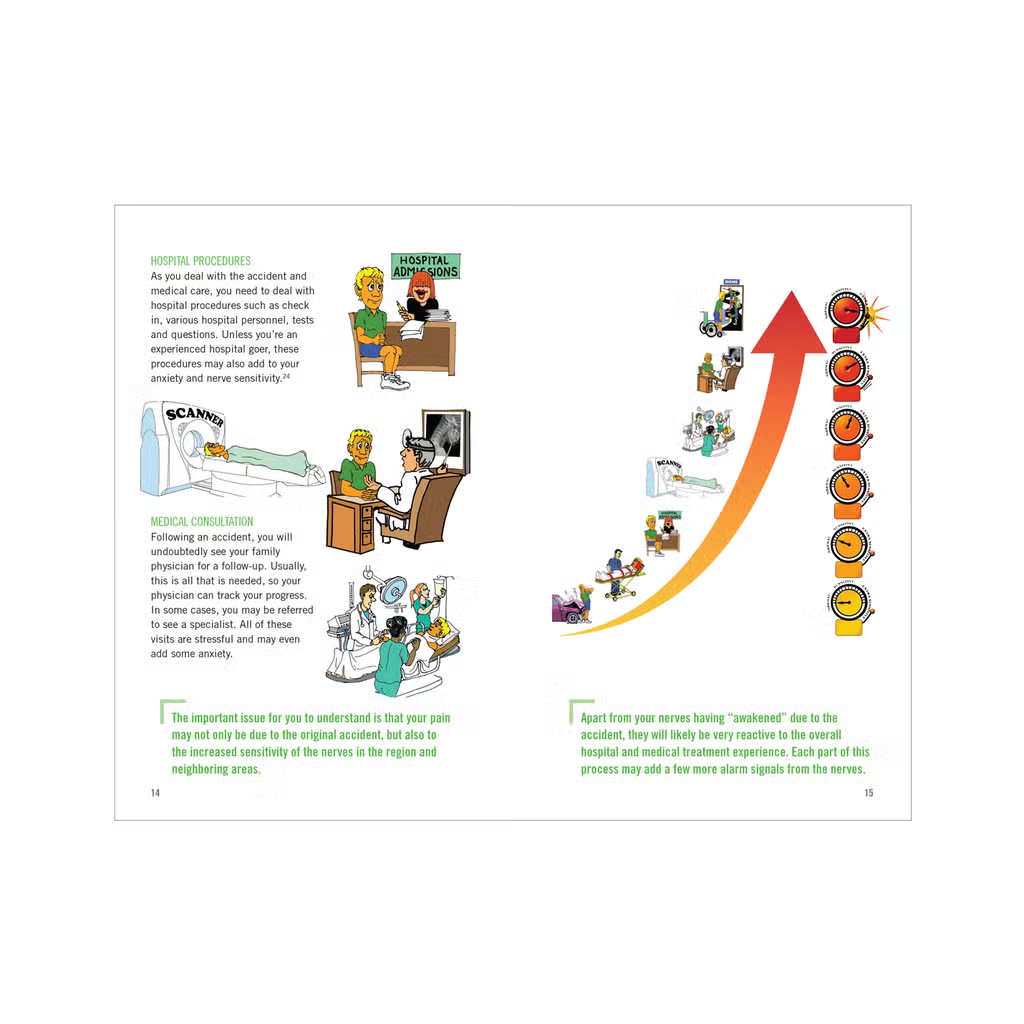
- Accident issues
- Nerves and pain
- Strategies to help ease the pain
Author(s)
- Adriaan Louw, PT, PhD
Publication Details
- ISBN-13: 978-0-9857186-0-2
- Publication Date: 2012
- Publisher: OPTP®
- Pages: 28
- Type: Softcover
- Illustrated: Yes
- Dimensions: 8½”L x 5½”W
Essential Strategies for Whiplash Recovery
Written by clinical neuroscience researcher Adriaan Louw, PT, PhD, this book is written in an easy-to-read format with illustrations for better understanding. Studies show that the more you know about pain caused by whiplash and how it works, the better off you’ll be. You’ll move better, experience less pain and have increased ability and interest in healthy movement, which is essential to your recovery. Available as a single booklet or a package of 12.
Learn About Nerve Sensitization and More
Adriaan Louw, PT, PhD, covers the nervous system wakening in the acute and sub-acute phases of whiplash in an easy-to-understand format, using metaphors, examples and color images.
This pain neuroscience education book covers topics including:
- Accepting the accident
- How nerves work
- How nerves become sensitive
- Accident issues
- Nerves and pain
- Strategies to help ease the pain
Whiplash: An Alarming Message From Your Nerves
This book was designed to educate patients on the nerve sensitization that patients experience following a whiplash injury. It offers a greater understanding of what has happened, how to ease the pain, and the importance of early, gentle movement after injury.
Color images, metaphors and examples improve understanding
Written in approachable language, this book includes metaphors, examples and color images to improve understanding.
About the Author
Adriaan Louw, PT, PhD: Renowned Author and Pain Researcher
Adriaan has taught throughout the US and internationally for 20 years at numerous national and international manual therapy, pain science and medical conferences. He is a Certified Spinal Manual Therapist, Therapeutic Pain Specialist and has authored and co-authored over 50 peer-reviewed articles, books and book chapters related to spinal disorders and pain science. He is the Director of the Therapeutic Neuroscience Research Group – an independent collaborative initiative studying pain neuroscience and is the Program Director of the Therapeutic Pain Specialist and Pain Science Fellowship post-graduate program for Evidence in Motion.
The Why You Hurt Series
Adriaan Louw has created a series of tools that work together seamlessly, whether you’re a clinician who wants to understand pain education and how to teach your patients, or someone with chronic pain who is looking for help.
From the Back Cover
Did you know?
Demolition derby drivers participate in an average of 30 events, crashing over 50 times per event at speeds that average 24 mph. However, only 2-3% of them experience long-lasting pain. Medically trained people (doctors, therapists, etc.) who are in similar car accidents to non-medically trained people return to work 200 times faster.
Why?
How a person views an accident and the resulting pain makes a distinct impact on their pain experience and recovery. It’s important to accept the accident, understand what the pain is (how it works and what it means), and move forward to recovery.
Tissues heal.
Long-lasting pain is likely due to sensitive nerves, not injured tissues. This booklet has been proven to help people understand their pain, calm their sensitive nerves and recover faster.